Turnkey systems
Green Hydrogen Bio from Biogas

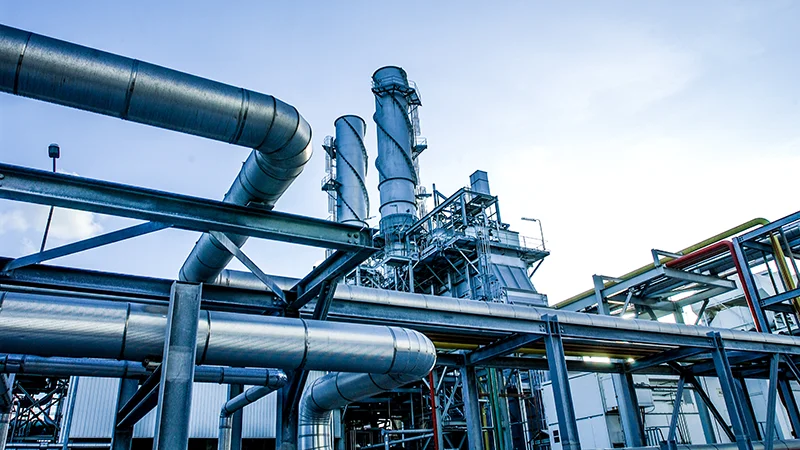
BTH400 – The turnkey container solution for local H2 hubs
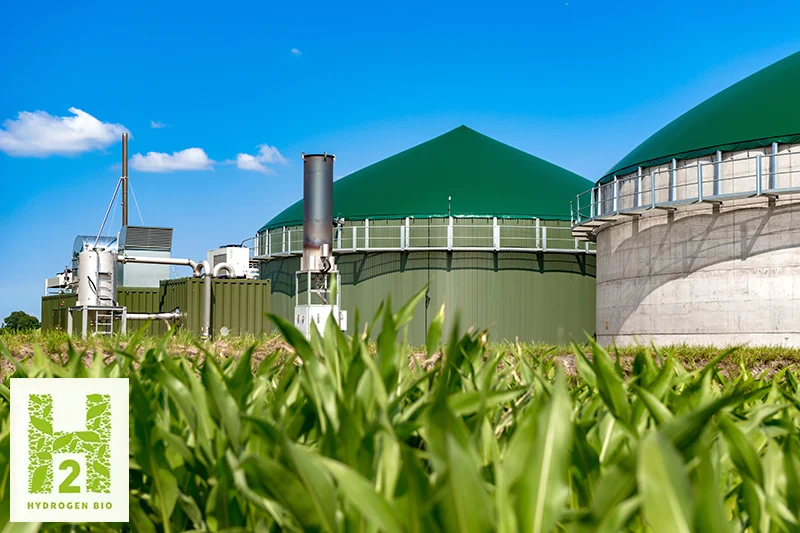
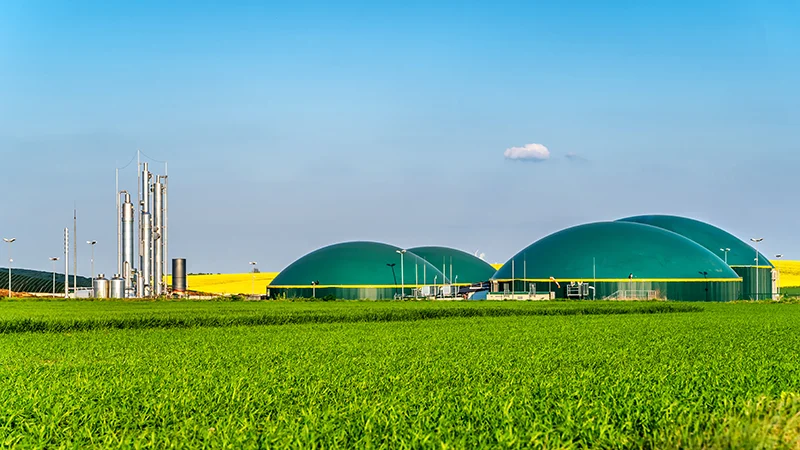
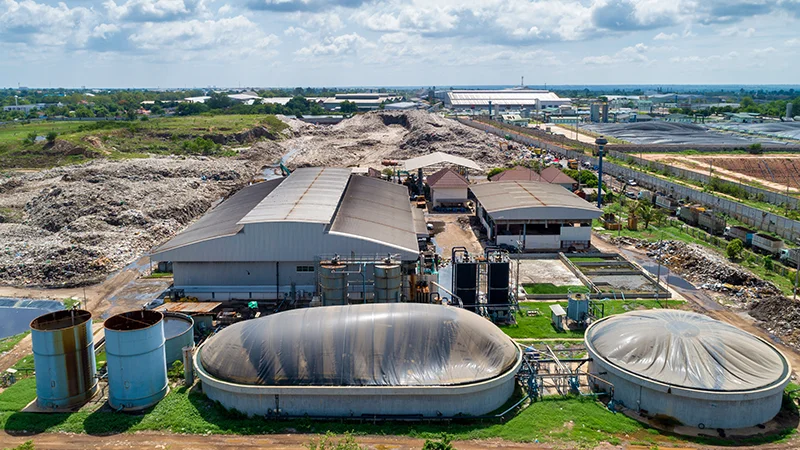
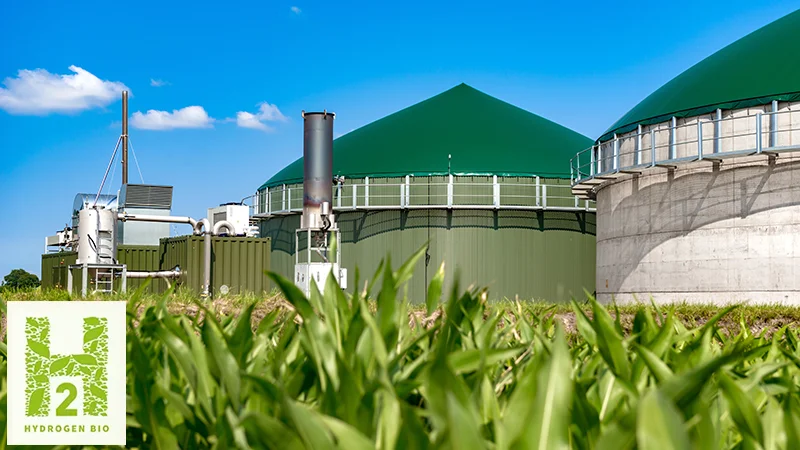
Biogas plants offer a base load capacity for hydrogen production. They are CO2-neutral or even have a negative CO2 balance if they use waste materials such as manure as source material for biogas.
Biogas plants are dispersed throughout the country and most should be qualified to produce Hydrogen Bio with our BTH400 plant:
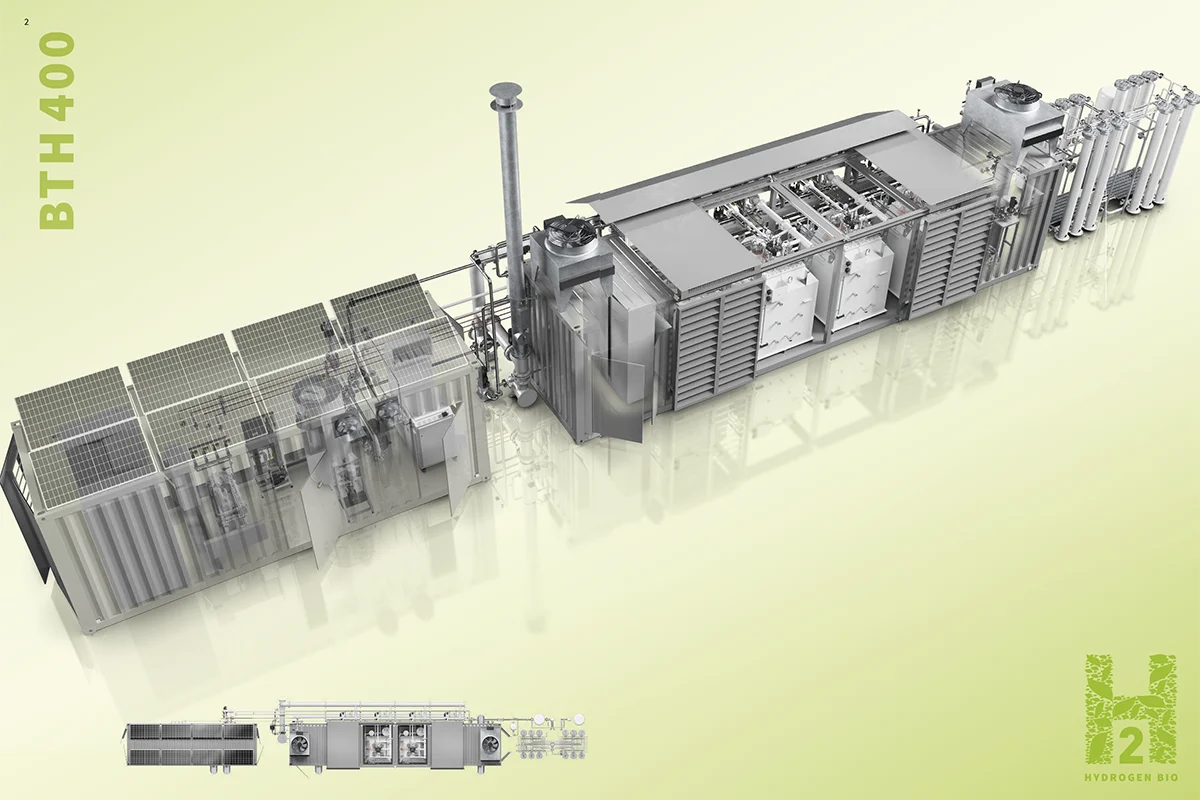

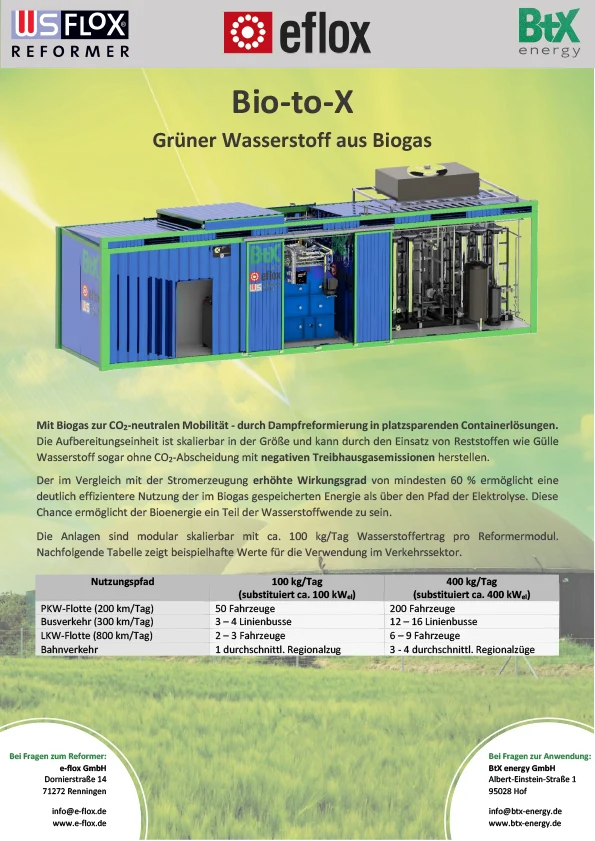
An efficiency of at least 60 % allows very good use of the energy contained in the biogas. Electrolysis plants only achieve an efficiency of 20% when using biogas in cogeneration.
With the BTH400 bioenergy can be THE step in the regional energy transition to a hydrogen economy.
Start your local H2 hub!

Successfully tested: The BTH100 in practice
The little sibling BTH100: turn-key ready 100kg/d of Hydrogen Bio, close to commissioning at our site in Renningen/Germany. It is up and running since 3 years and produces certified Hydrogen Bio on a farm in North Rhine-Westphalia.
Discover our technology in action. Feel free to make an appointment for a demonstration of the system.

Download

Product
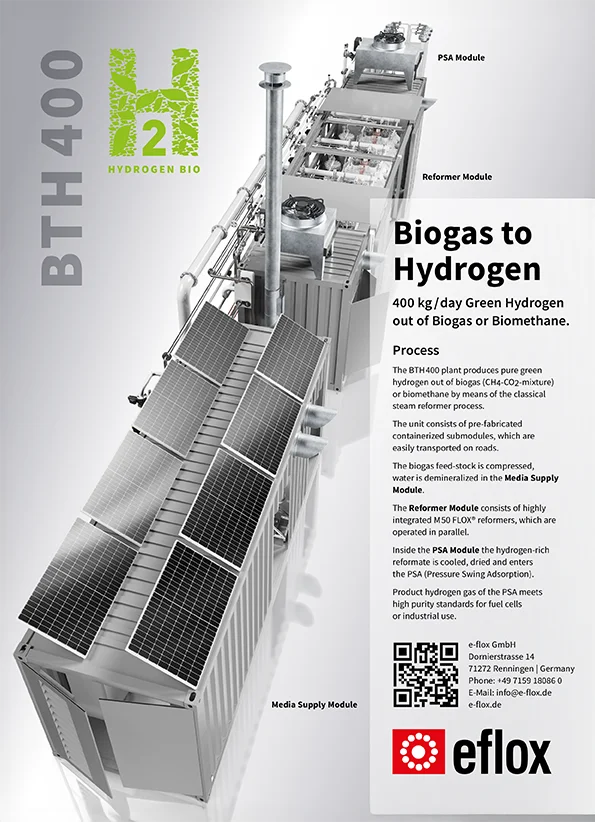
Product
FAQ – The most frequently asked questions about “green hydrogen”
Sustainably or renewably produced hydrogen is often referred to as green. However, the fact is that hydrogen is always colourless.
Nevertheless, the European Commission, the German government and other institutions have attempted to legally define criteria for climate-friendly and sustainable hydrogen production. As is so often the case in an environmental context, the term ‘green’ is used symbolically. But what does green hydrogen actually mean?
In the legal text, the term ‘green’ only appears in the EEG and the GEG. In the EEG – the law regulating the production and use of renewable energies – it refers exclusively to hydrogen produced by electrolysis using renewable electricity. In the GEG, on the other hand, the term refers to passages in RED II that also define sustainability criteria for biomass.
The recognition and transparent classification of our reformer technology for producing hydrogen from biogas is of particular interest. Our sister company BtX energy GmbH has therefore compiled some key facts to clarify the central question: Green hydrogen from biogas
The so-called RED II – European Directive (EU) 2018/2001 of the European Parliament and of the Council of 11 December 2018 – forms the basis for the EU Commission’s promotion of renewable energies and the achievement of European climate targets.
It is very comprehensive and deals with the sustainable production of electricity, heat and fuels. Since hydrogen is mainly used in the transport sector and there were no specific regulations for electrolytic hydrogen in 2018, Delegated Regulation (EU) 2023/1184 was amended in February 2023. This lays down detailed rules for the production of liquid or gaseous renewable fuels of non-biogenic origin for the transport sector.
Unfortunately, this directive is often used in insufficiently informed discussions – even at specialist conferences – to answer the question: ‘What is green hydrogen?’
The title ‘renewable fuels of non-biogenic origin’ already makes it clear that this is not a definition of green hydrogen. Rather, the document specifies the conditions under which electricity-based fuels – and thus also derivatives of electrolysis hydrogen such as e-fuels – are recognised for certain advantages. These include tax advantages, crediting towards expansion targets, and consideration in the context of GHG reduction targets through instruments such as GHG quota trading.
Hydrogen from electrolysis can receive these benefits if it is produced (in simplified terms) as follows:
The actual regulations are significantly more complex and currently pose a major challenge for all electrolysis operators – a more detailed explanation would go beyond the scope of this article. However, it is important to note that there is another method currently recognised by the EU.
Since RED II came into force in 2018, the EU has recognised hydrogen from biogenic residues as an advanced biofuel, provided that it is to be counted towards GHG reduction targets. The prerequisites are that:
- the relevant sustainability criteria are met, i.e. the biomass has the appropriate certificates such as SURE or REDcert, and
- the hydrogen is ideally obtained exclusively from residues listed in Annex IX of the Directive.
The much-discussed legal act does not exclude biogenic hydrogen from CAPEX subsidies or CO₂ trading mechanisms. It merely defines the eligibility of electricity-based hydrogen. The European Commission has published a clear explanation of this.
Advanced biofuels are not subject to the same tax regulations and expansion targets as RFNBOs, but they are equally eligible and are neither excluded from subsidies nor disadvantaged. Leading subsidy programmes – such as NOW GmbH – have long taken this into account.
Apart from GHG quota trading in the transport sector, there are basically few restrictions on the use of hydrogen, regardless of its origin. Companies with certificate obligations can – with the appropriate carbon footprint – credit and offset the energy sources they use.
Yes. Contrary to widespread assumptions, investments in facilities for the production of biogenic hydrogen are eligible for funding under the General Block Exemption Regulation (AGVO).
The definition of ‘renewable hydrogen’ in Article 2, paragraph 102c initially refers exclusively to electrolytic hydrogen and forms the basis for the exemption under Article 41, paragraph 3. Biohydrogen, on the other hand, is classified as a biofuel in Article 117a. This means that its production facilities fall under Article 41, paragraph 2 and are therefore explicitly eligible for funding.
It is important to note that paragraph 3 only restricts the promotion of electrolysers – this restriction does not apply to biogenic hydrogen.
If required, we will be happy to provide a statement from the European Commission on this topic upon request.
Biohydrogen falls under the regulations for advanced biofuels and can therefore be certified in the REDcert or ISCC system recognised for GHG quota trading.
In addition, there are two other voluntary certificates with a wide reach:
Here, hydrogen is considered ‘green’ as soon as a GHG reduction of at least 70% is achieved. Recognised technologies include electrolysis, steam reforming, biomass gasification and pyrolysis.